80 × 60 × 4 cm
Acrylic on canvas.
Free shipping anywhere in the world.
The painting explores a distance between two states of experience: the vast and unknowable set against the intimate and familiar. Perception becomes unstable, where light obscures certainty and the figure resists full recognition. This ambiguity reflects Maurice Merleau-Ponty’s idea that seeing is never complete but formed through embodied experience. The image suggests exploration not as discovery, but as an encounter with uncertainty and partial understanding.
Opposed to this sense of distance is the presence of ordinary objects associated with care, routine, and human proximity. Here meaning emerges through lived experience rather than spectacle, echoing Hannah Arendt’s attention to the significance of everyday human activity in shaping shared reality. The familiar becomes a counterweight to isolation, grounding the work in gestures of maintenance and quiet continuity.
Between these conditions lies a space the painting does not resolve. The viewer instinctively bridges the separation, projecting connection across what appears divided. This suspended relationship recalls the metaphysical stillness of Giorgio de Chirico and the contemplative silence of Vilhelm Hammershøi, where meaning arises through absence as much as presence. The work ultimately proposes that the void between worlds is not empty, but completed through human perception.
80 × 60 × 4 cm
Acrylic on canvas.
Free shipping anywhere in the world.
The painting explores a distance between two states of experience: the vast and unknowable set against the intimate and familiar. Perception becomes unstable, where light obscures certainty and the figure resists full recognition. This ambiguity reflects Maurice Merleau-Ponty’s idea that seeing is never complete but formed through embodied experience. The image suggests exploration not as discovery, but as an encounter with uncertainty and partial understanding.
Opposed to this sense of distance is the presence of ordinary objects associated with care, routine, and human proximity. Here meaning emerges through lived experience rather than spectacle, echoing Hannah Arendt’s attention to the significance of everyday human activity in shaping shared reality. The familiar becomes a counterweight to isolation, grounding the work in gestures of maintenance and quiet continuity.
Between these conditions lies a space the painting does not resolve. The viewer instinctively bridges the separation, projecting connection across what appears divided. This suspended relationship recalls the metaphysical stillness of Giorgio de Chirico and the contemplative silence of Vilhelm Hammershøi, where meaning arises through absence as much as presence. The work ultimately proposes that the void between worlds is not empty, but completed through human perception.
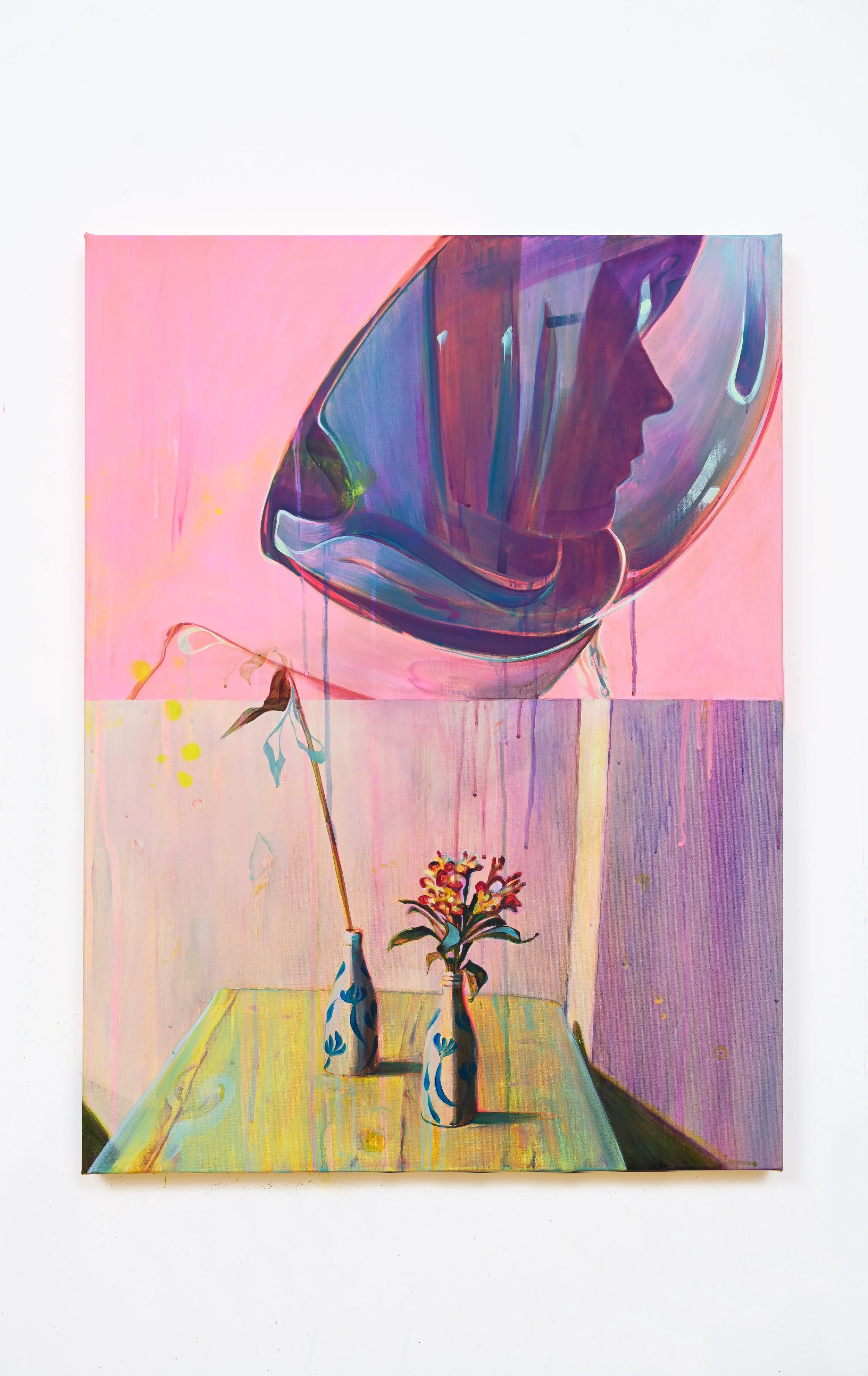 Image 1 of 7
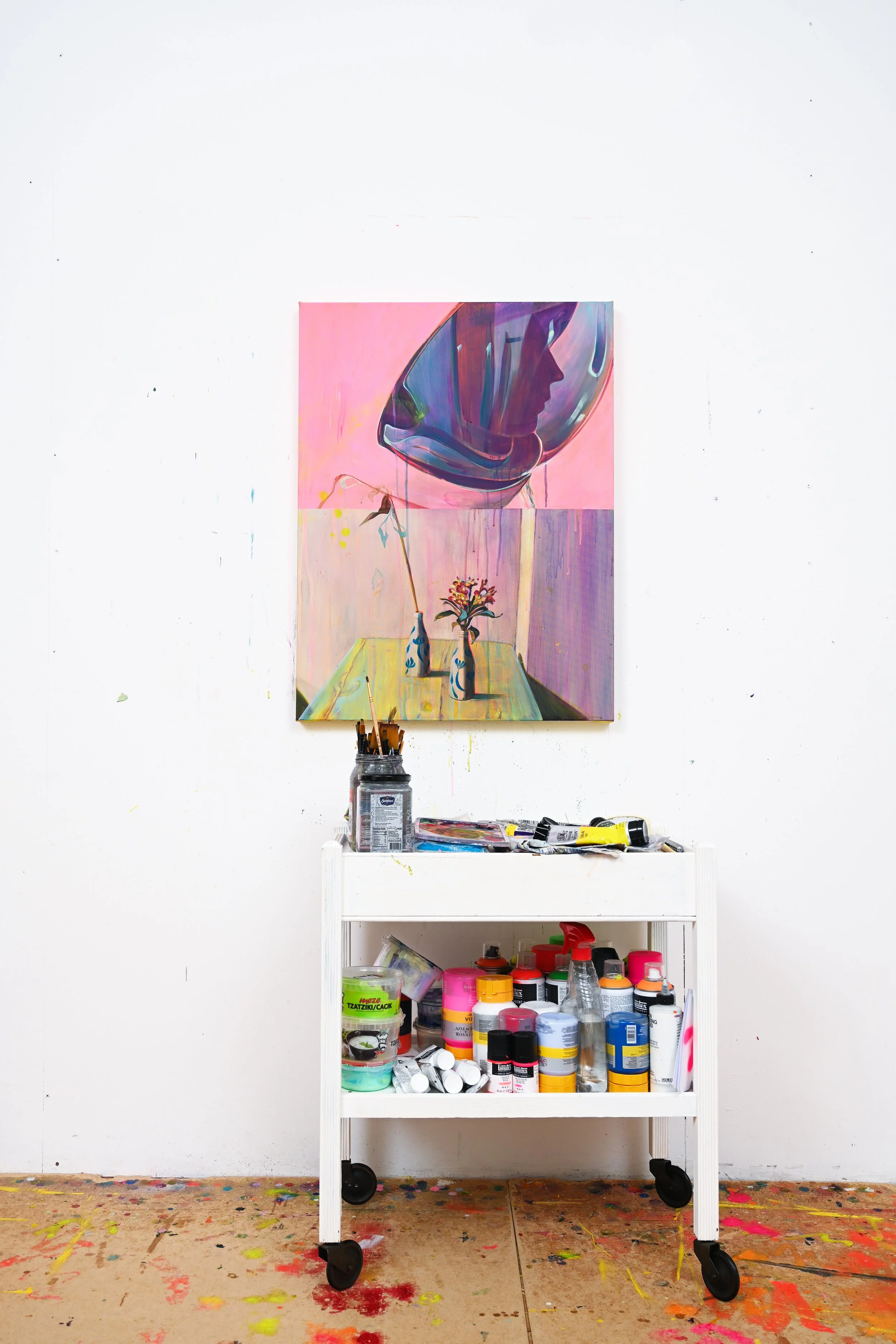 Image 2 of 7
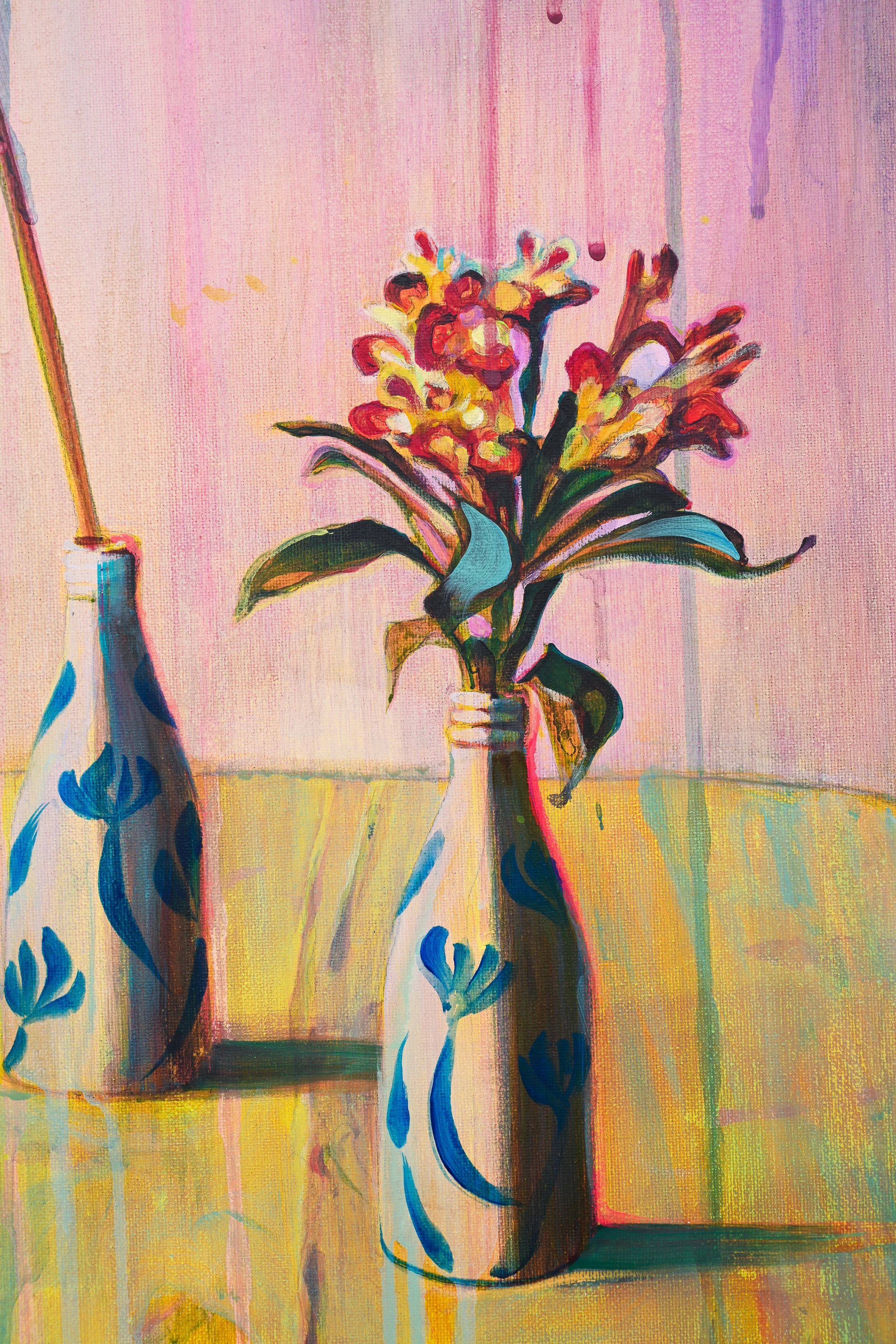 Image 3 of 7
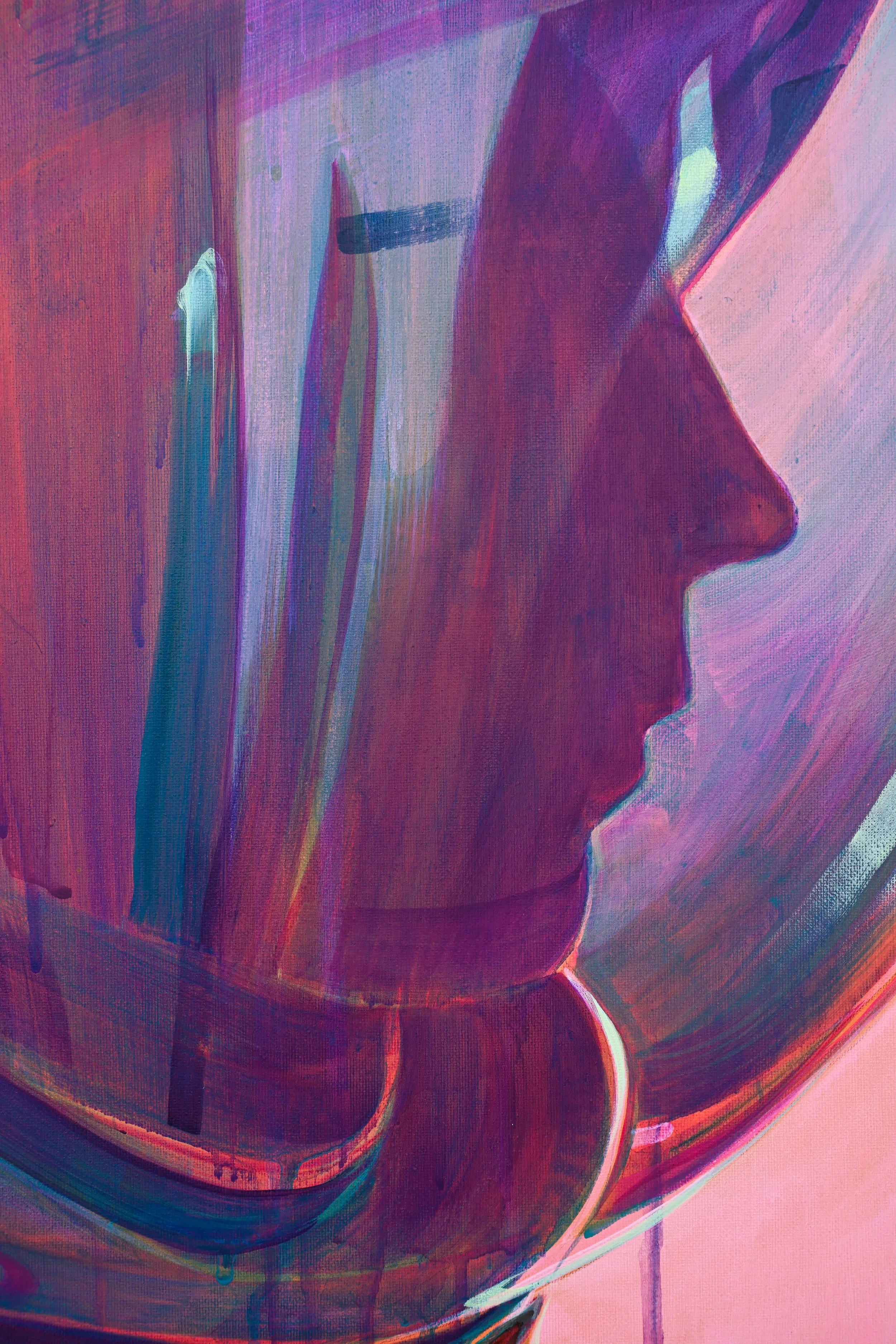 Image 4 of 7
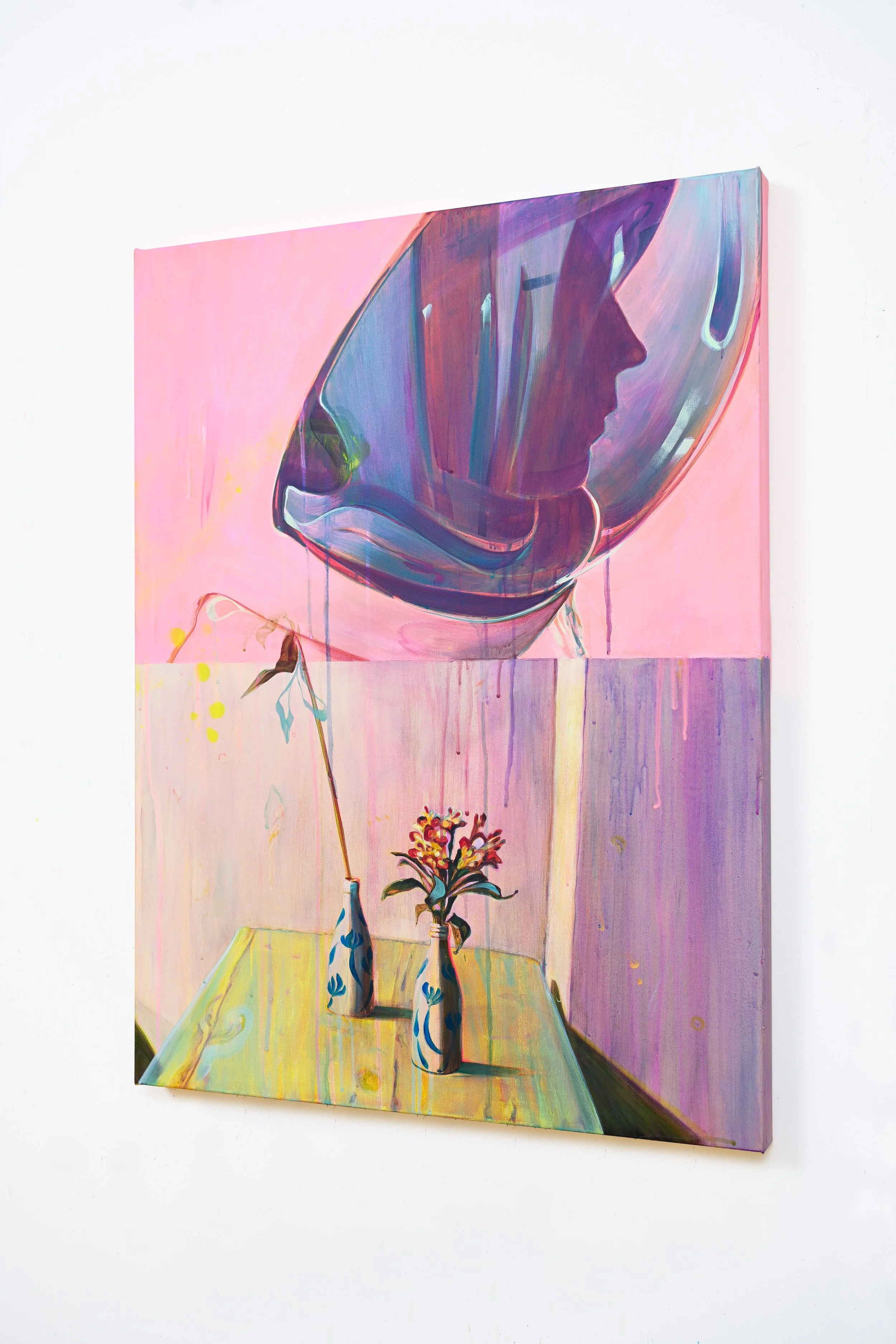 Image 5 of 7
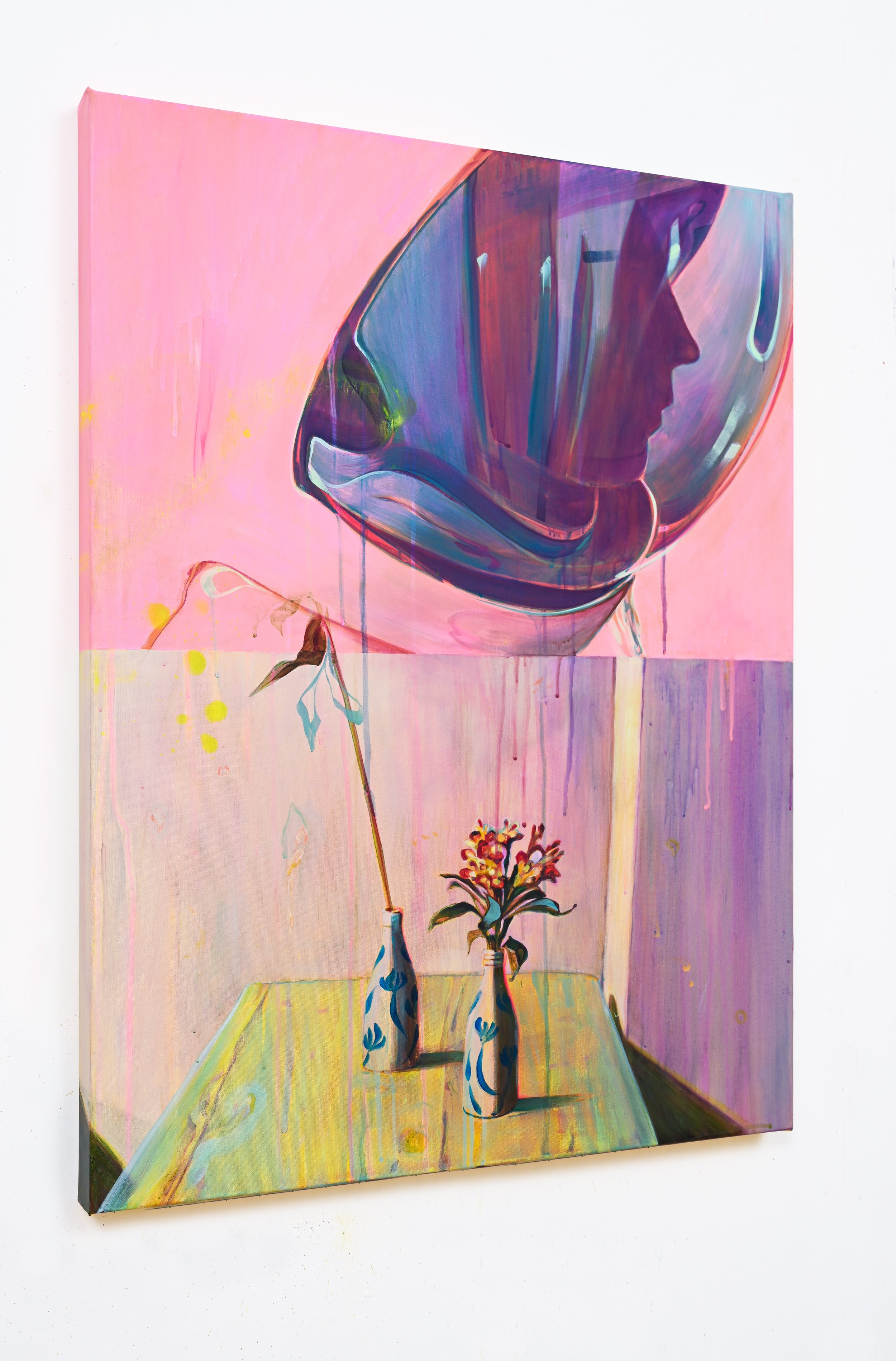 Image 6 of 7
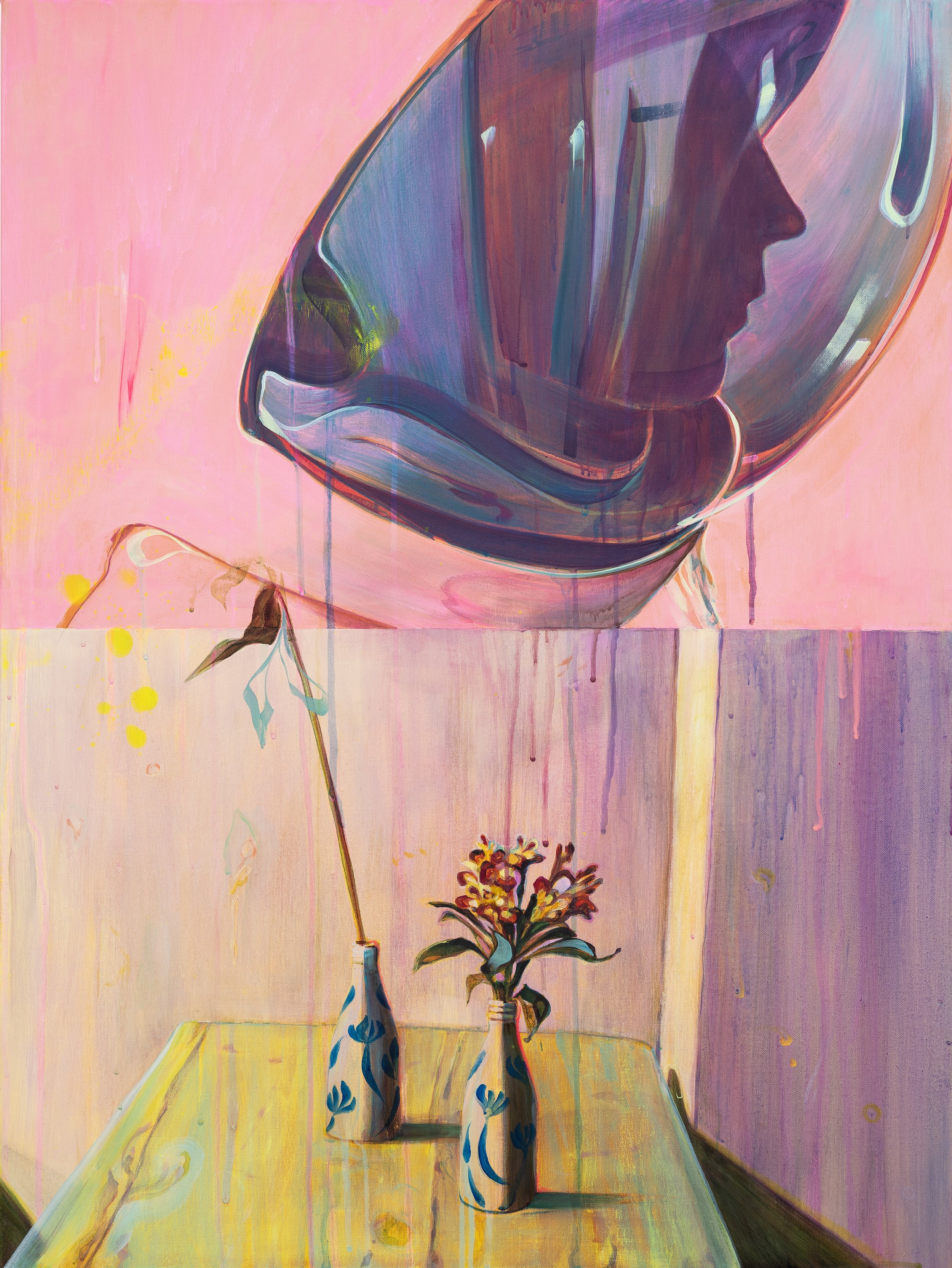 Image 7 of 7